Beach Passport: Saving Lives On Australian Beaches With An Online Education Platform
Executive summary
Beach Passport: Growing Beach Safety Education Through Interactive Learning
Surf Life Saving Australia (SLSA) needed a way to bring practical beach safety education to people beyond the reach of its patrols. April9 partnered with SLSA to create Beach Passport, an interactive online course that combines safety lessons, video and quizzes.
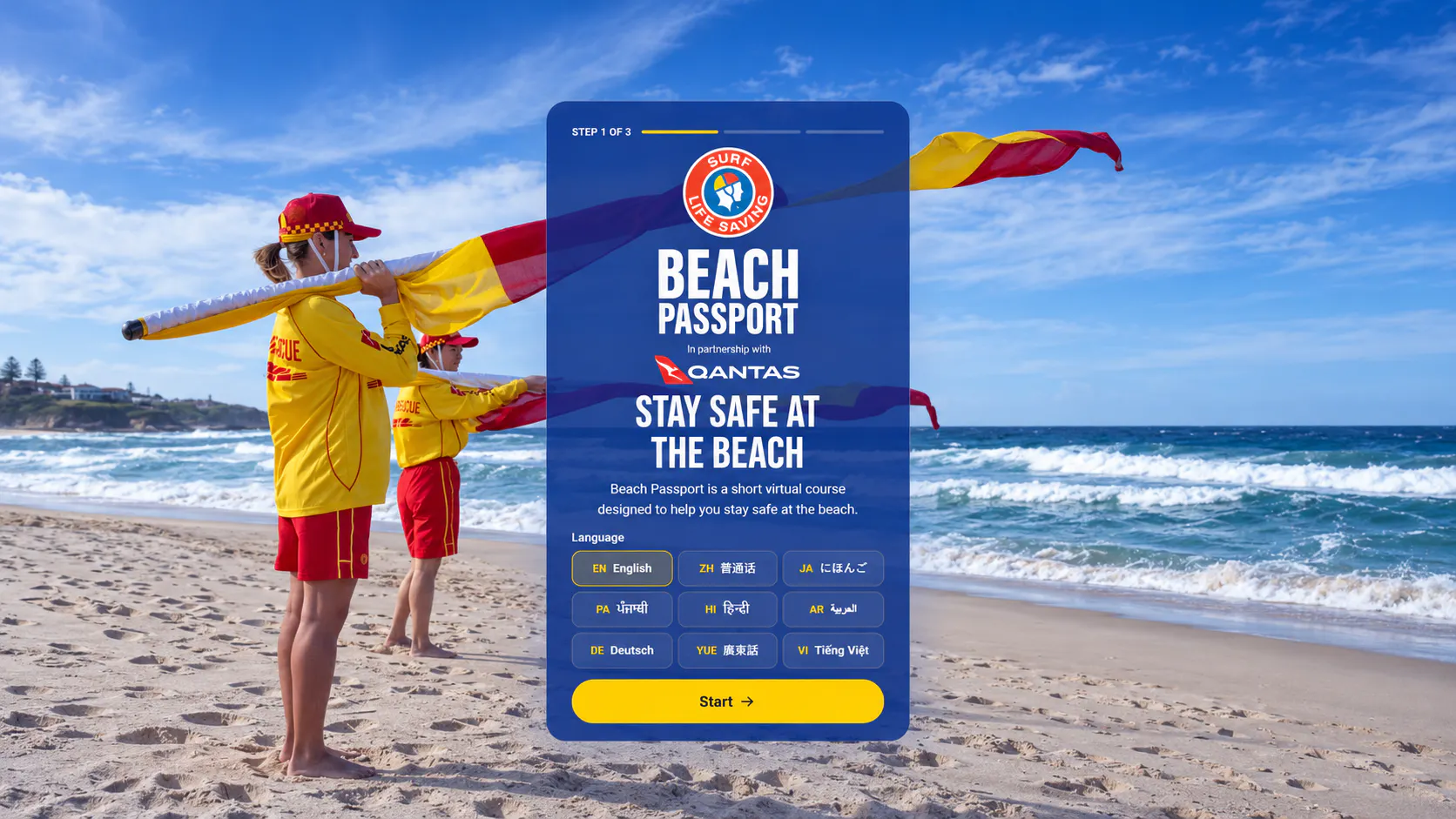
The platform launched in November 2024 with English and Mandarin content. In October 2026, April9 delivered a refreshed experience with updated screens, redesigned Rip Currents learning, a new Sharks module and more control for SLSA content editors. The current entry screen offers nine language choices and learning paths for primary school students, high school students and adults.
Explore the original launch, the previously reported results and the 2026 platform update.
Client Background
SLSA’s Mission: Save Lives and Build Better Australian Communities through Coastal Safety
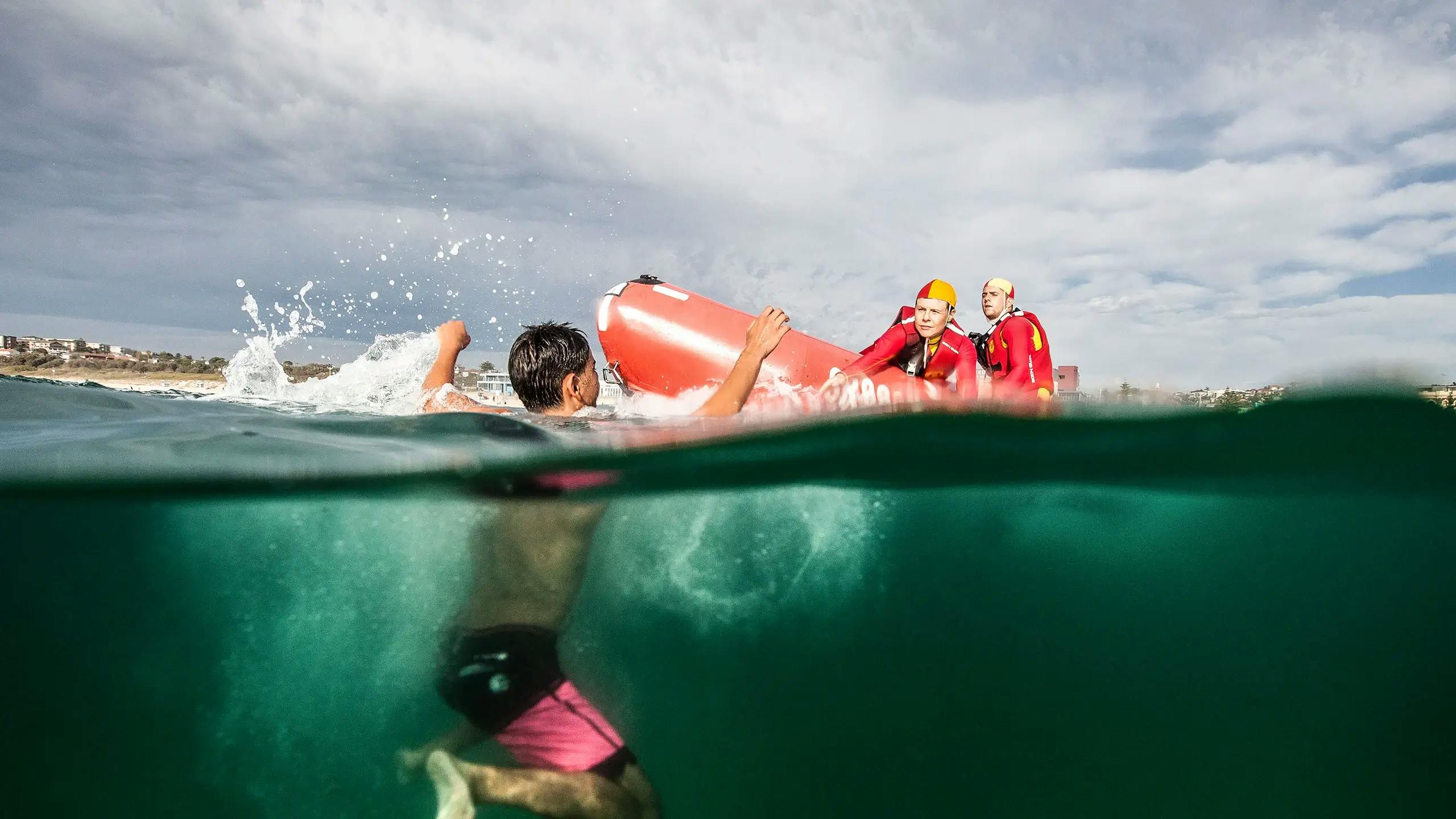
With over 190,000 members and 315 affiliated clubs, SLSA is the largest volunteer foundation of its kind in the world. It has been running since 1907 to save lives and ensure coastal safety on Australian beaches, a heritage of over 115 years.
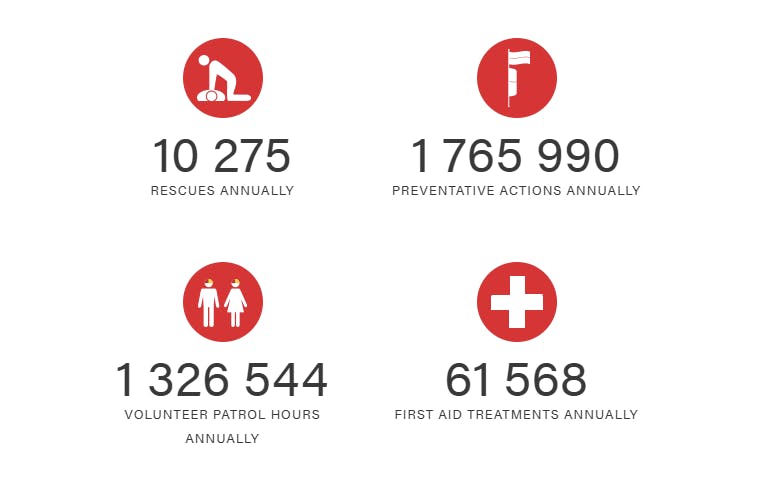
To date, the organisation has rescued over 715,000 people, investing over 14+ million volunteer hours each year in this cause.
SLSA raises money through its fundraising arm, the Surf Life Saving Foundation (SLSF), which distributes the funds countrywide to SLSA branches and clubs. These efforts are crucial to ensure the safety of more than 300 million beachgoers visiting the Australian coastline every year.
Related reading
Surf Life Saving Foundation’s Digital Transformation: A 200% Improvement in Online Fundraising
Apart from performing over 8,000 rescues annually, SLSA has grown to play a vital role in Australian communities, supporting mental health and providing pathways for young people to play a crucial role in community water safety.
Challenges
Poor Public Awareness, Higher Water Incident Rates
Research shows that many beachgoers lack critical safety knowledge, including how to identify dangerous rip currents and understand flag systems. These knowledge gaps contribute to preventable incidents along Australia’s coastline.
SLSA recognised that education at scale required a digital-first approach. Traditional in-person training and printed materials couldn't reach the hundreds of thousands of beachgoers who needed this knowledge, particularly those visiting remote or unpatrolled beaches.
For the original 2024 launch, SLSA set an ambitious goal: deliver a scalable platform in English and Mandarin in time for a national TV campaign. April9 was engaged to design and build the interactive learning experience within eight weeks.
The Brief: Reach Every Beachgoer
Objectives

Launch Digital Education Platform
For the original November 2024 campaign, build and deploy an interactive beach safety quiz website in English and Mandarin to reach a broader beachgoing audience.
Maximise Public Safety Reach
Deliver critical beach safety education to thousands of Australians who visit unpatrolled areas, bridging the gap between SLSA's physical presence and the drownings that occur outside patrolled zones.
Capture and Nurture Safety-Conscious Audience
Implement integrated lead management system (LMS) to capture user details from course completions, enabling ongoing safety communications and potential membership conversion for SLSA programs.
Create Scalable Education Infrastructure
Establish a flexible, content-managed platform that can accommodate seasonal safety updates, expanded language options, and future educational modules beyond the initial launch.
Dedicated and Accessible Education Website for Public Awareness
SLSA sought an engaging way to boost public awareness and education to a broader audience, including groups with Mandarin backgrounds.
As such, the organisation worked with April9 to build a website for the “Beach Passport” campaign. The two teams worked together to fast-track the website development project in time for the planned national water safety campaign to go live.
Surf Life Saving Australia also wanted the website to include functionality for capturing user details of those who completed the courses to support future communications and updates. This was the Lead Management System (LMS), and the entire process was to be automated to ensure a seamless experience.
The Solution
An Interactive Learning Platform Built for Impact and Scale
April9 used Prismic, a headless content management system, to organise the course content and support interactive lessons. SLSA editors can update the learning materials after launch, allowing the platform to respond to new content and language requirements.
Innovative Content Delivery Through Interactive Learning
Features
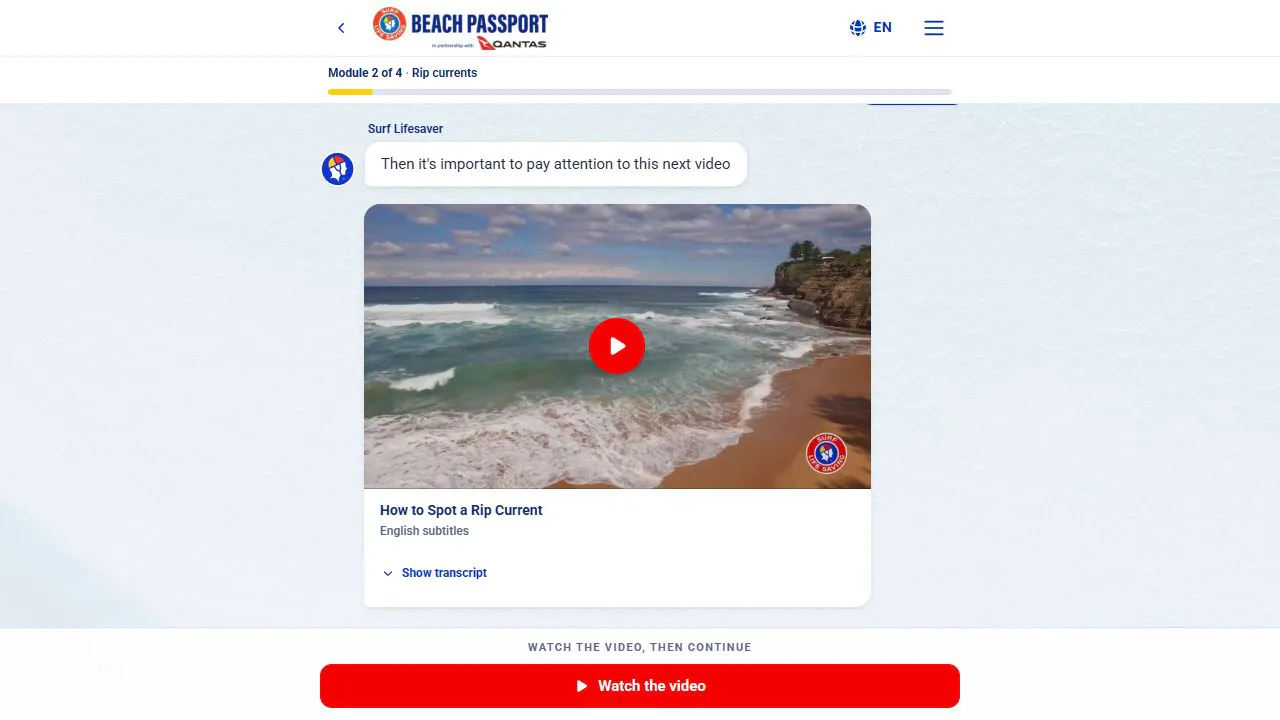
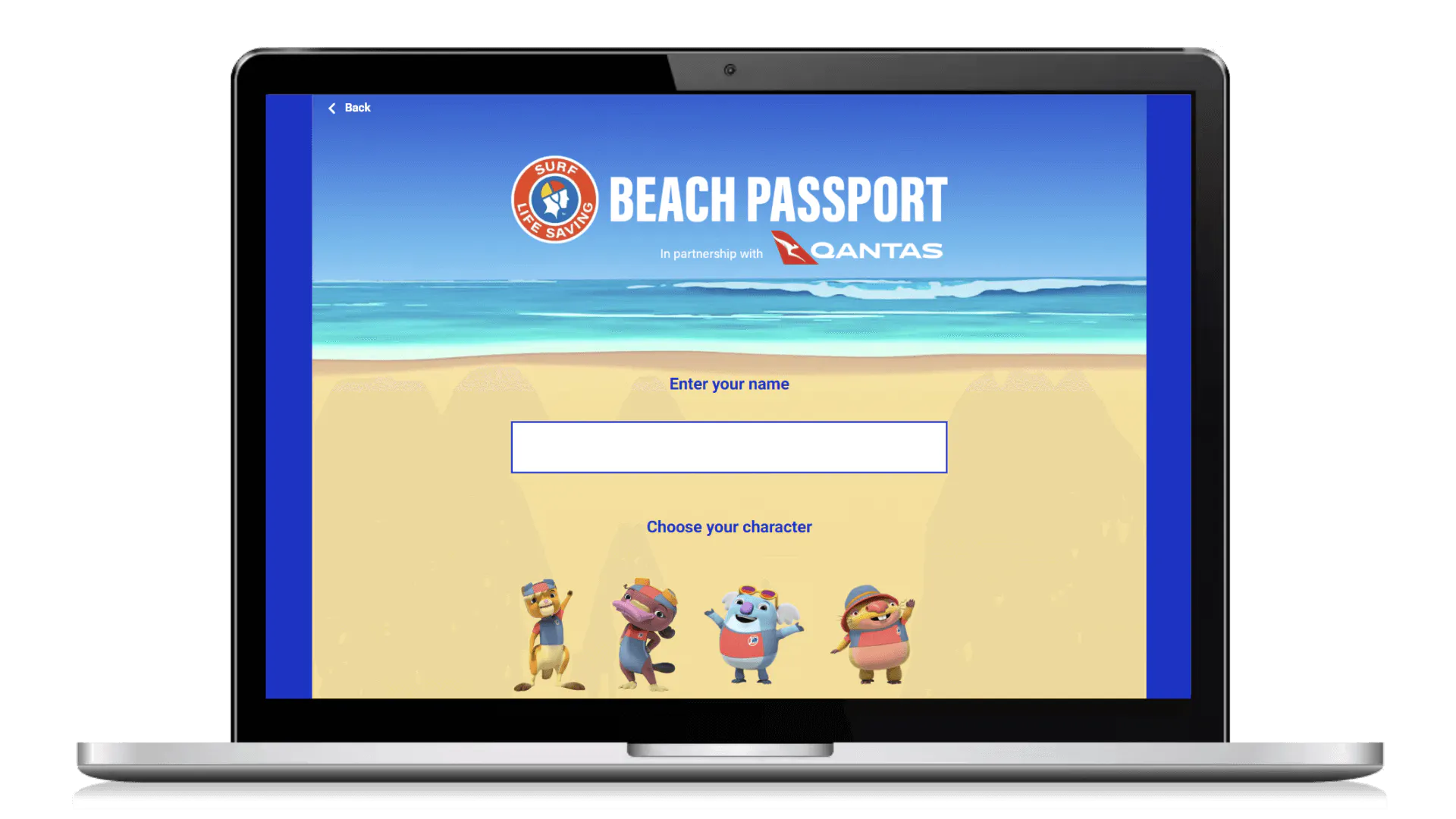
Beach Passport combines conversational lessons, video and interactive assessments with clear module progress. The refreshed experience helps learners choose an age group, work through the course and return to their saved progress on the same device.
Rich multimedia experiences
Conversational lessons, videos, quizzes and image carousels present beach safety information in a range of formats.
Gamification through module completion
Module progress and a star rating help learners see how they are progressing through the course.
Three age groups
Learners select primary school, high school or adult at the start. This determines which version of the course they receive.
Interactive assessments
Questions within the learning experience reinforce the safety messages covered in each module.
Enterprise-Ready Architecture and Integrations
Scalable Architecture for High-Traffic Campaigns
To accelerate the development process, April9 leveraged automated Cloud deployment tools, streamlining everything from setting up new environments to deploying code for testing and production. We implemented a scalable, containerised web server architecture designed to handle potentially high traffic during the TV campaign launch, ensuring smooth performance aligned with the coordinated media delivery schedule.
Seamless Integration with SLSA's Marketing Ecosystem
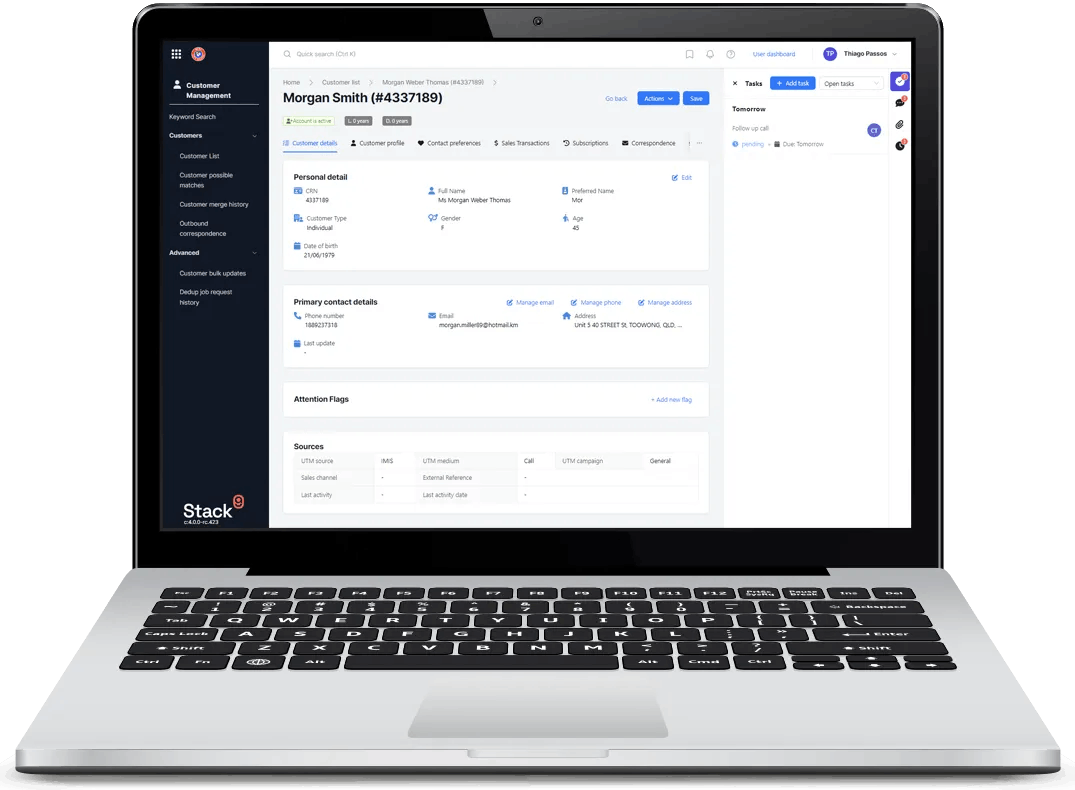
Additionally, April9 integrated the form capture directly into SLSA's Stack9 system for seamless marketing automation, enabling learners to share their details after completing courses and receive targeted follow-up communications.
Implementation Process
The Original 2024 Launch
Work on the original platform began in early September 2024, with the design finalised later that month. Development started in mid-October, leaving four weeks to build, test and launch ahead of the national campaign in November. April9 and SLSA coordinated design, content, development and testing to meet the launch date.
The learning content was still being developed while the website was being built. April9 used draft materials to develop and test the course features, then incorporated the final content as it became available.
Prismic allowed the team to update the learning materials without rebuilding the site.
SLSA supported delivery through content preparation, feature reviews and testing.
Results From the Original Rollout
Results
Beach Passport launched on 18 November 2024 alongside a national TV campaign. The figures below come from the original case study and show the platform’s early reach.

The original case study reported more than 37,000 course completions, including more than 10,000 in the first month after launch.

More than 1,000 children had completed the interactive course when the original results were reported. Their course featured Kangaroo Beach characters and gamified lessons to present beach safety information to younger learners.

Beach Passport launched with English and Mandarin. The current entry screen offers English, Mandarin, Japanese, Punjabi, Hindi, Arabic, German, Cantonese and Vietnamese. The 2026 release added Cantonese and Vietnamese and introduced tools for content editors to add and manage languages.

The platform’s flexible content structure now supports the 2026 screen refresh, updated safety modules and expanded language choices. New Site Settings and language management features give SLSA content editors more control over maintaining the experience.
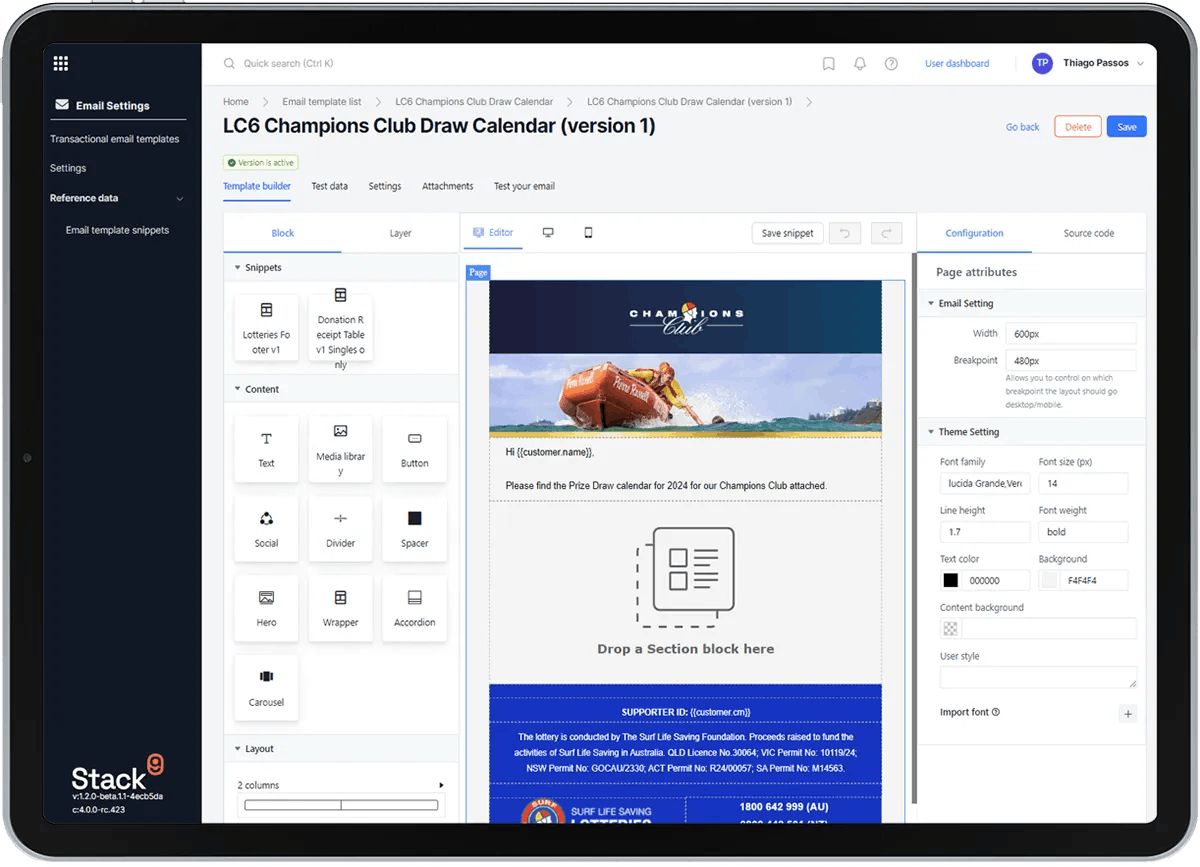
April9 connected the course completion form to SLSA’s Stack9 marketing system. This supports follow-up communications, including seasonal safety reminders and program updates, without manually transferring learner details between systems.

The original national TV campaign directed viewers to Beach Passport, connecting broadcast safety messages with an online course. The website gave viewers a way to put those messages into practice through interactive lessons.
"The platform proved that Australians were eager for accessible safety education when presented in an engaging, convenient format.”
Continuing the Partnership
Supporting Ongoing Beach Safety Education
The October 2026 release builds on the original platform with updated learning content and an experience that SLSA can continue to maintain in Prismic. This gives the team a practical foundation for future safety content and language updates.
Extending Into Education
The original case study reported that Beach Passport had been integrated into the Western Australia school curriculum.

The 2026 Refresh
The 8 October 2026 release refreshed the learning experience and gave SLSA more control over ongoing content updates.
- A refreshed interface. Updated screens and navigation support the journey from language and age selection through to module progress.
- Updated safety learning. The Rip Currents module has been redesigned, and Marine Animals: Sharks replaces Stop Look Stay Alive.
- Expanded language choices. Cantonese and Vietnamese joined the entry screen’s language options.
- More control for content editors. Site Settings gives editors control over brand assets. Language management tools allow the team to create and upload language content.

Looking Ahead
SLSA can maintain course content, brand assets and language versions in Prismic as the learning experience evolves.
April9 continues to support SLSA in making practical beach safety education accessible to more people.